‘Italy’s suspension of Schengen is a taste of things to come’. My article published by Spiked on 11 August about travel restrictions imposed within the EU
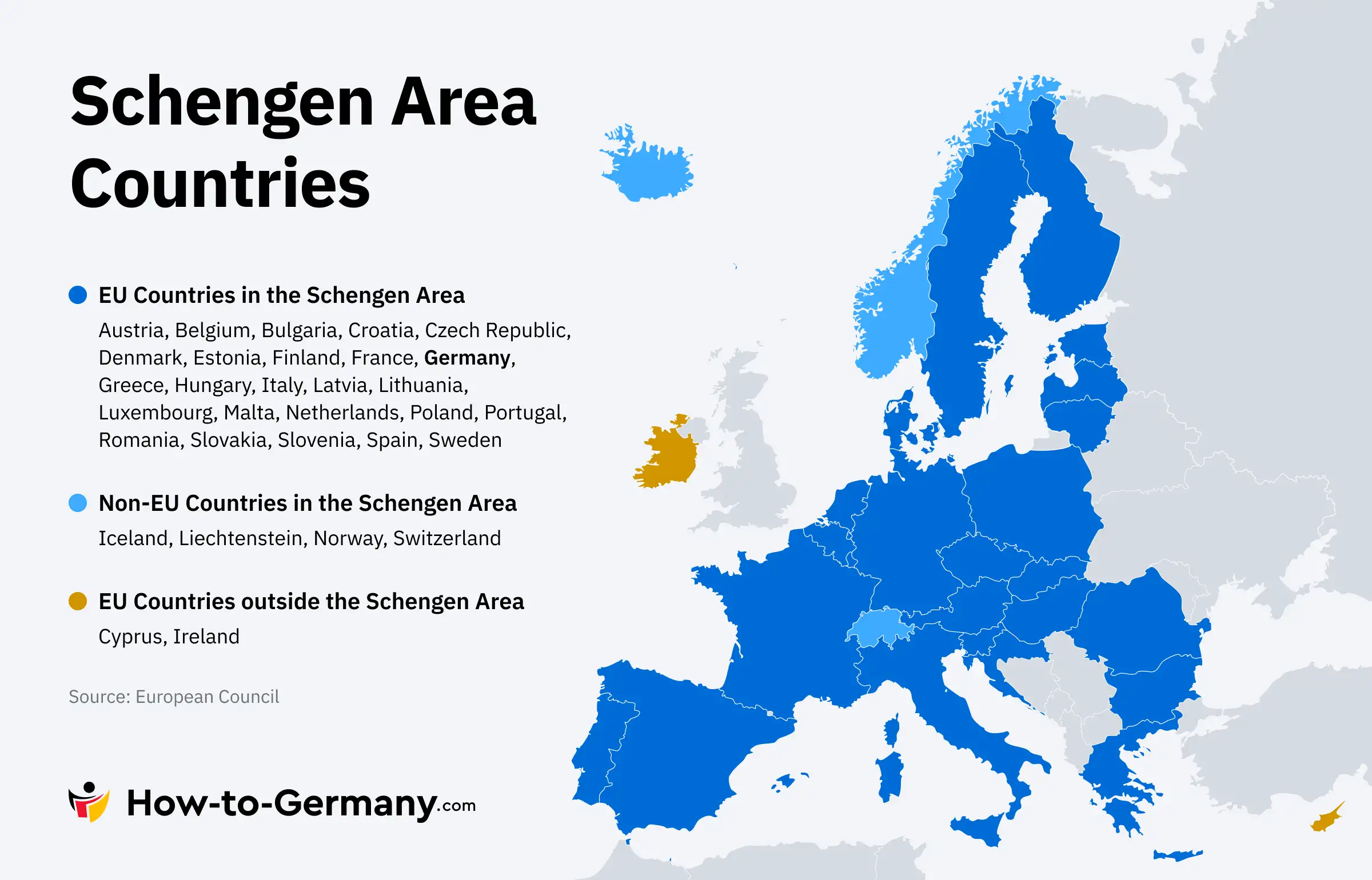
Fears about about illegal immigration led Italy, Spain and France to introduce performative travel checks at the beginning of August 2026. Here is a link to the published article: https://www.spiked-online.com/2026/08/10/italys-suspension-of-schengen-is-a-taste-of-things-to-come/
The text of the article is also below. I welcome any comments or questions.
Italy’s suspension of Schengen is a taste of things to come
The EU’s dysfunctional border policies are tearing Europe apart.
Italy has suspended passport-free travel with Spain from 31 July to 15 August. Spain retaliated on 8 August, running spot checks on travellers arriving from Italy at the country’s six biggest airports. The trigger was the invasion of Ceuta – Spanish and EU territory in northern Africa – by around 72,000 people from neighbouring Morocco at the end of July. France responded with its own additional border controls.
In practice, none of this will dent illegal immigration much. The Schengen agreement, which allows for passportless travel between 29 European countries, does not apply between Ceuta and mainland Spain, and it would have been very difficult for anyone who entered Ceuta to reach Italy or France. What’s more, the Spanish government claims that between 70,000 of the 72,000 people who crossed into Ceuta have already returned to Morocco, although many of those from further afield in Africa remain on the enclave.
The new border checks have mostly just meant longer queues. On 8 August, Spain checked 199 passengers across 12 flights from Italy. Italy insists its own checks will spare Spaniards and focus on non-EU arrivals. Some travellers between the two countries will now need to show a passport or ID card to border officials – a step Schengen rules had previously made unnecessary, although airlines already required ID at check-in.
Twenty-two EU countries, led by Italy and Denmark, signed a letter last week demanding an emergency meeting and declaring themselves ready to reintroduce temporary internal border controls. These countries also rightly criticised Spain over ‘pull factors, such as the regularisation of [a] very large number of irregular migrants’ – a reference to Spain’s recent amnesty for 1.2million illegal migrants. Yet Italy’s border checks, even if they are extended, won’t stop these migrants from entering Italy once they’re issued Spanish ID cards and passports.
Italy’s suspension of Schengen may have been sparked by the amnesty and the Ceuta invasion, but domestic politics is what’s really driving it. The ruling conservative coalition is sliding in the polls, with a General Election expected next spring.
Youtrend’s average of recent polls, released on 3 August, put prime minister Giorgia Meloni’s Brothers of Italy on 26.7 per cent – its lowest share since the parliamentary term began in 2022. Her coalition partners, the League, have slipped to 5.9 per cent, now behind Roberto Vannacci’s new National Future party, which is on 7.1 per cent. Vannacci has called for ‘remigration’ – that is, encouraging those with a migration background, including citizens, to return to their countries of origin. Meloni has so far ruled out bringing National Future into a right-wing coalition. But without it, current polling suggests the existing right-wing coalition would trail a combined left-and-centre coalition at the next election.
Meloni is now having to fight to claw back support from National Future, betting that suspending Schengen with Spain will play well with right-wing voters. Schengen is an easy target: it’s already been suspended repeatedly by EU states and remains fundamentally dysfunctional. The EU’s new Pact on Migration and Asylum is also coming under fire. Germany is threatening to send migrants back to whichever EU country they first entered, Italy above all. Berlin’s announcement landed just ahead of state elections in Saxony-Anhalt, where the populist AfD is tipped to come out on top.
With national elections due in 2027 in Italy, France, Estonia, Finland, Slovakia and Poland, and populist parties on the rise, we should expect the EU’s dysfunctional immigration rules to come in for many more kickings.
Dominic Standish lectures for the University of Iowa. He is the author of Venice in Environmental Peril? Myth and Reality and lives in the Veneto region of Italy.